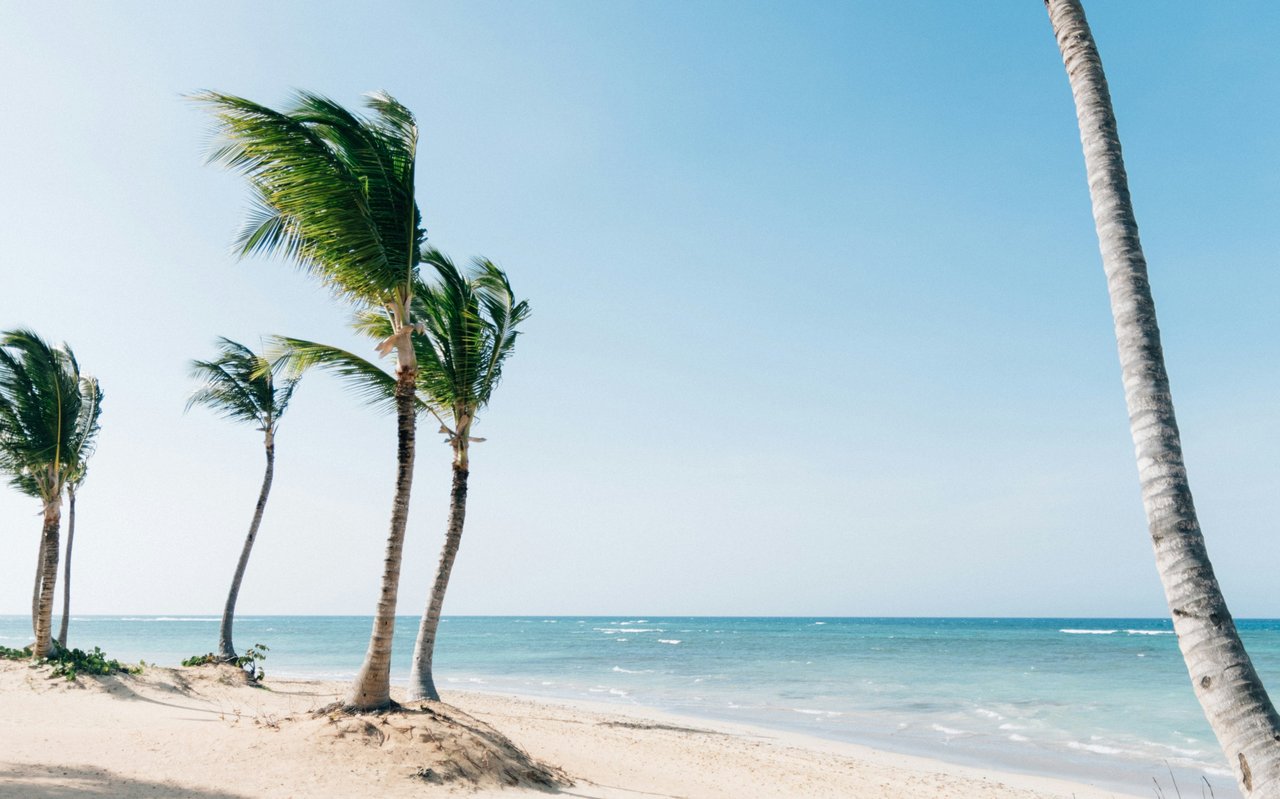
As Your Observer reported, Congressman Greg Steube said at the Lido Beach ribbon cutting on May 26, "I can remember surfing out here a couple of years ago, and the beach ended about where we're standing." Anyone who has walked that stretch since the 2024 hurricane season knew exactly what he meant. For a while, low tide on South Lido Beach meant walking on hard-packed shell and root, not sand. That version of the beach is gone now. A new one sits in its place, wider than it has been in years, with a Tiki Bar back in business a few blocks north and a boat channel that finally behaves.
One part of the project remains unfinished. The dune line meant to hold this new beach in place during the next storm won't be complete until early 2027, and hurricane season doesn't wait for construction schedules. Residents walking the beach this month are standing on a rebuilt shoreline with an unfinished defense behind it, and that gap is important context for beachgoers.
A Timeline That Looks Finished
Line up the dates and the recovery can look like a single story, even though the beach and Tiki Bar reached milestones on separate timelines.
- January 25, 2026: dredging began in New Pass, pulling sand from the channel's sandbars to rebuild the beach to the south.
- May 26, 2026: the city of Sarasota and the Army Corps of Engineers cut the ribbon on the completed renourishment, with Mayor Debbie Trice and Congressman Steube on hand.
- Early April 2026: the Lido Key Tiki Bar quietly reopened to the public with a refreshed menu, roughly a year and a half after the 2024 storms tore it apart.
- June 20, 2026: the Ritz-Carlton's Members Beach Club threw the bar's proper reopening celebration, drawing about 200 guests for a sunset send-off with a fire eater, a steel pan player, and dancers from GRAE Productions.
Two separate operators, two separate budgets, a spring-to-summer stretch in which the beach was completed and the bar held its reopening celebration. Those were the visible milestones on Lido Key this summer, alongside the dune work still ahead.
What Actually Changed Underfoot
The renourishment moved more than 300,000 cubic yards of sand from New Pass onto 1.2 miles of shoreline running from just north of Ted Sperling Park up through the pavilion. City Engineer Nikesh Patel put a number on what that means for anyone walking the beach today: roughly 60 to 100 feet of added sand along the stretch that had eroded worst. That's not a rounding error. It's the difference between a beach you can lay a towel on at low tide and one where the water used to lap against exposed root systems.
The $12 million price tag was covered by federal disaster relief funds tied to the string of storms since 2021, not by a new assessment on Lido property owners. Carl Shoffstall, president of the Lido Key Home Owners Association, has been blunt about why that funding mattered: the beach is both a public safety buffer and the engine behind the tourism dollars that support the island's restaurants and shops. Losing the beach threatened both.
The Boater's Side of the Project
The renourishment did double duty. Dredging New Pass for beach sand also deepened and widened a channel that had a reputation for wrecking boats. Sailing instructor Bill Brooker, who has worked the water there for 42 years, described the old channel as deceptively short and shallow, the kind of stretch where a beginner could run aground without warning. Patel confirmed the navigation hazard was real: running aground in New Pass had become a frequent problem that both the Sarasota Police Department and the town of Longboat Key had to deal with. The same dredging that widened the beach also lowered that risk, a benefit nobody planned for at the outset but one that boaters on both sides of the pass will notice all winter.
The Piece Still Under Construction
Here's where the timeline stops looking finished. This fall, the city begins building protective dunes along the same stretch of beach, raising the existing dune line by two feet to an elevation of 6.6 feet and constructing new dunes where none currently exist. City Engineer Sage Kamiya has been direct about why: the 2024 hurricanes hit the dunes hard, and the current line only protects against a 10-year storm event. Once finished, that protection level rises to a 25-year event. The project also includes native salt-tolerant plantings meant to hold the sand in place once it's shaped.
The work carries its own cost, $1.2 million, with construction alone running close to $700,000. It also means three beach walkovers will be removed and rebuilt, one at the pavilion, one just north of the pavilion parking lot, and one at the North Lido access near the curve of John Ringling and Benjamin Franklin boulevards. The city has said access will hold throughout, with more than 30 beach entry points staying open and post-and-rope barriers marking off the active construction zones rather than closing stretches outright.
None of that will be finished before this year's hurricane season peaks. The beach residents are walking today is wider and more photogenic than it's been in years, but the dune system designed to keep it from washing away again is still months from complete. The beach is rebuilt, while its storm defense remains unfinished as the calendar turns toward the months that matter most.
The Part That Was Never Under Construction
One stretch of Lido Key never closed for any of this. Ted Sperling Park, at the southern tip of the key, sits just outside the renourishment's footprint, and its mangrove kayak launch kept running the entire time. Locals know to look for two things there: the marked kayak trail through the mangrove tunnels, a free launch with no fees, and the adjoining nature park where paddlers occasionally spot manatees or a cormorant riding along the side of a kayak. Sarasota County maintains the launch and picnic areas, and it's the one corner of the island that construction crews, dredging pipes, and ribbon cuttings never touched.
That's worth knowing for anyone planning a fall weekend on the island. If the walkovers near the pavilion are mid-rebuild when you want a quiet walk, Ted Sperling's trails and launch are the fallback that's been open the whole time.
What This Means for the Months Ahead
Lido Key spent the first half of 2026 getting its most visible recovery story since the 2024 storms: a rebuilt beach, a reopened Tiki Bar, and a safer channel for the boats that share New Pass with swimmers and paddlers. What it hasn't finished is the piece that decides whether that recovery holds the next time a named storm enters the Gulf. The dune line won't reach its full height until early 2027, which means this hurricane season is the first real test of a beach that looks whole but isn't fully armored yet.
None of this changes how good the beach looks on a September evening. It just means the story isn't over, and anyone walking that new stretch of sand this fall is watching the second half of a two-part recovery, not the ending.
If you're weighing what any of this means for a property on Lido Key or nearby, or you'd simply like a local's read on how the barrier islands are holding up this season, Roger Pettingell and the Pettingell Professionals team are always glad to talk it through. Contact us anytime.